Technology
UVLack: A Complete Guide to UV Coating, Benefits, Applications, and Modern Surface Finishing Solutions

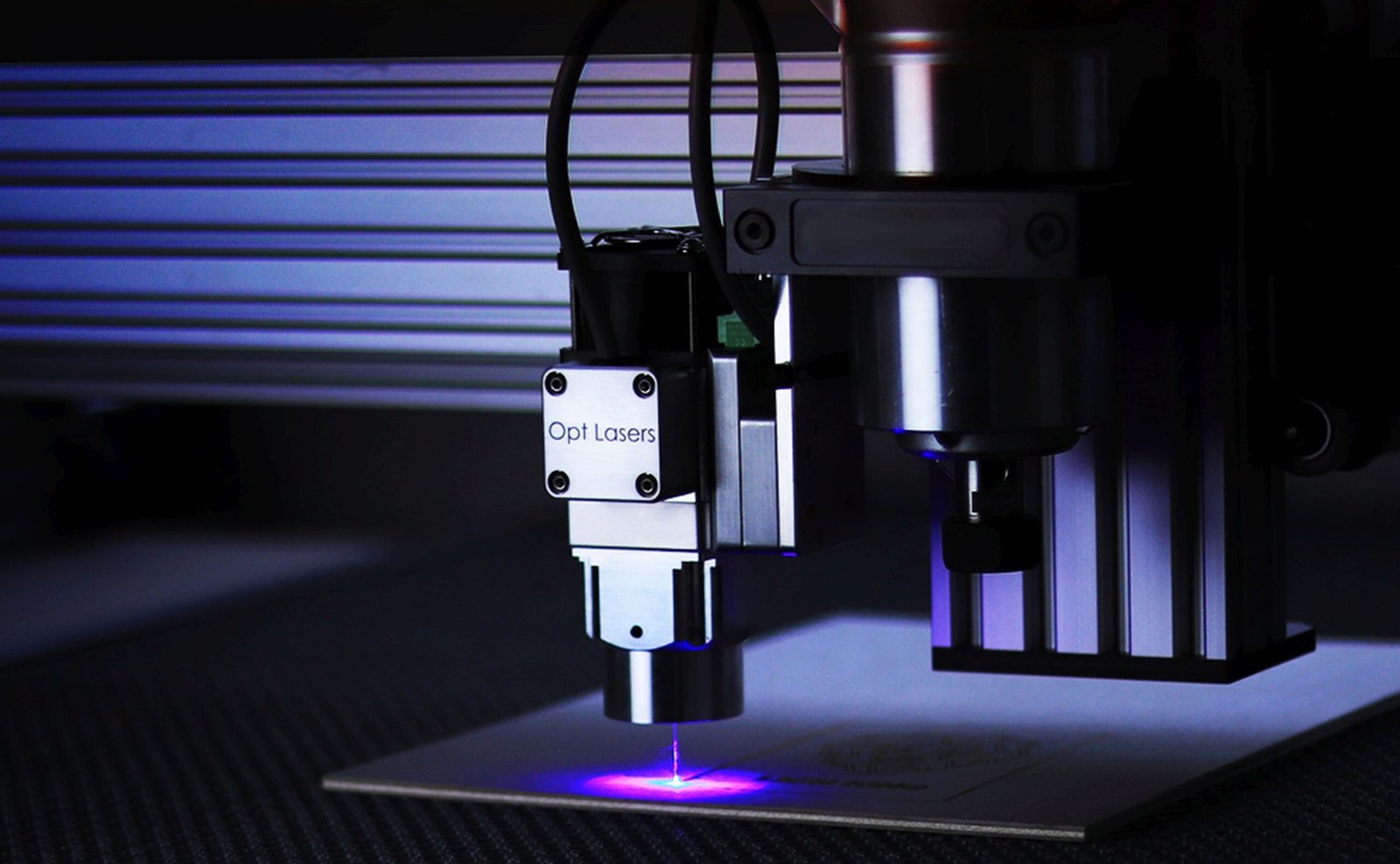
In the world of printing, packaging, furniture, and product design, the quality of a surface finish plays an important role in how a product looks, feels, and performs. One innovative finishing solution that has gained significant popularity is UVLack. The term UVLack refers to a special type of UV coating or varnish that is applied to surfaces and cured using ultraviolet (UV) light. This process creates a durable, attractive, and protective layer that enhances both appearance and functionality.
UVLack is widely used in industries where visual appeal and surface durability matter. From luxury packaging and magazines to furniture surfaces and promotional materials, UV coating provides a professional finish that can make products stand out. It can create glossy effects, protect printed designs, improve resistance against scratches, and increase the overall lifespan of materials.
As businesses continue to focus on premium presentation and high-quality manufacturing, UVLack has become an important technology in modern finishing processes. This complete guide explains what UVLack is, how it works, its advantages, common applications, and why it has become a preferred choice for many industries.
Quick Facts
| Feature | Details |
|---|---|
| Term | UVLack (UV Varnish) |
| Industry | Printing and Packaging |
| Purpose | Surface Protection and Visual Enhancement |
| Curing Method | Ultraviolet Light |
| Drying Time | Milliseconds |
| VOC Content | Typically Zero or Extremely Low |
| Main Finishes | Gloss, Matte, Spot UV, Relief UV, Textured UV |
| Durability | High Scratch and Scuff Resistance |
| Common Materials | Paperboard, Cardstock, Packaging Boards |
| Production Speed | Extremely Fast |
| Environmental Impact | Reduced Solvent Emissions |
| Popular Uses | Business Cards, Packaging, Brochures, Labels |
| Application Methods | Flood UV, Spot UV, Raised UV, Sand UV |
| Appearance Enhancement | High Gloss and Color Depth |
| Manufacturing Benefit | No Drying Downtime |
What Is UVLack? Definition and Basic Explanation of UV Coating Technology
UVLack is a liquid coating material that is applied to a surface and hardened through exposure to ultraviolet light. The UV curing process causes the coating to dry almost instantly, creating a strong and smooth protective layer.
Unlike traditional varnishes that may require longer drying times, UVLack uses ultraviolet radiation to trigger a chemical reaction that quickly transforms the liquid coating into a solid finish. This technology allows manufacturers to achieve faster production speeds while maintaining excellent surface quality.
UVLack can be applied to many different materials, including:
- Paper and cardboard
- Printed materials
- Wood surfaces
- Plastic products
- Metal components
- Decorative panels
Depending on the desired effect, UVLack can create different finishes, such as:
- High-gloss surfaces
- Matte finishes
- Satin effects
- Textured coatings
- Selective highlighted areas
The versatility of UVLack makes it suitable for both functional protection and decorative enhancement.
How Does UVLack Work? Understanding the UV Coating Process
The UVLack application process involves several important steps to achieve a high-quality result. First, the coating material is applied evenly to the chosen surface using specialized equipment. This can be done through printing machines, rollers, spraying systems, or other industrial methods.
After application, the coated surface passes under ultraviolet lamps. The UV light activates special components within the coating, causing it to harden almost immediately. This curing process creates a strong bond between the coating and the surface.
The main stages of the UVLack process include:
Surface Preparation
Before applying UVLack, the surface must be clean and properly prepared. Dust, oil, or imperfections can affect the final quality of the coating.
Coating Application
The UV coating is applied in a controlled layer. The thickness and amount depend on the required protection and visual effect.
UV Curing
The coated material is exposed to ultraviolet light, which instantly dries and strengthens the finish.
Quality Inspection
After curing, the finished surface is checked for smoothness, appearance, durability, and consistency.
This efficient process allows manufacturers to produce high-quality finishes quickly while reducing production delays.
The Main Benefits of UVLack for Products and Surfaces
UVLack has become popular because it offers many advantages compared with traditional coating methods. Its combination of beauty, durability, and efficiency makes it valuable across multiple industries.
Enhanced Visual Appearance
One of the biggest advantages of UVLack is its ability to improve the appearance of products. A glossy UV finish can make colors appear brighter and more vibrant, while matte UV coatings create an elegant and sophisticated look.
For brands, packaging appearance is extremely important because attractive designs can influence customer purchasing decisions. UVLack helps products achieve a premium appearance that attracts attention.
Excellent Protection Against Damage
UVLack creates a protective layer that helps defend surfaces against scratches, stains, moisture, and everyday wear. This makes it especially useful for products that are frequently handled.
Printed materials, packaging, and decorative surfaces can maintain their quality for longer periods when protected with UV coating.
Fast Drying and Efficient Production
Traditional coatings often require significant drying time, which can slow down manufacturing. UVLack cures almost instantly under UV light, allowing faster production and improved efficiency.
This quick curing process helps businesses save time and increase productivity.
Environmentally Improved Manufacturing Options
Many UV coatings contain fewer volatile organic compounds (VOCs) compared with some traditional solvent-based coatings. This can contribute to cleaner production environments and reduced emissions.
However, environmental impact depends on the specific formulation, manufacturing process, and disposal practices.
Common Applications of UVLack in Different Industries
UVLack is used across many industries because of its flexibility and performance. Its ability to combine protection with attractive design makes it suitable for both commercial and industrial purposes.
Printing and Publishing Industry
In the printing industry, UVLack is commonly used on:
- Brochures
- Business cards
- Magazines
- Catalogs
- Posters
- Book covers
A UV coating can highlight specific areas of a printed design, creating an impressive visual contrast between glossy and matte surfaces.
Packaging Industry
Packaging is one of the largest areas where UVLack is used. Brands often use UV coatings on:
- Cosmetic boxes
- Food packaging
- Luxury product packaging
- Electronics packaging
- Gift boxes
A premium finish helps products appear more attractive while protecting the packaging from damage.
Furniture and Interior Design
UVLack is also popular in furniture manufacturing. It can be applied to wooden surfaces, panels, and decorative materials to create durable finishes.
Furniture treated with UV coatings often has better resistance to scratches, stains, and daily use.
Automotive and Industrial Applications
In industrial environments, UV coatings can provide additional protection and improve the appearance of components. Their durability makes them useful for products that require long-lasting surface performance.
UVLack vs Traditional Coatings: What Makes It Different?
When comparing UVLack with traditional coatings, several differences become clear. Conventional varnishes often depend on heat or air drying, which can take more time. UVLack, on the other hand, uses ultraviolet curing technology for immediate hardening.
One major difference is production speed. Manufacturers using UVLack can complete finishing processes faster because there is almost no waiting period after application.
Another difference is surface quality. UV coatings often provide a smoother, more consistent finish with excellent clarity and brightness.
UVLack also offers strong durability. The hardened surface can provide better resistance against scratches and environmental factors compared with some traditional finishes.
However, the choice between UVLack and other coatings depends on factors such as budget, material type, desired appearance, and production requirements.
Factors to Consider When Choosing UVLack for Your Project
Selecting the right UVLack solution requires careful consideration of several factors. Different projects may require different coating properties.
Surface Material
The material being coated affects the type of UVLack needed. Paper, wood, plastic, and metal surfaces may require different formulations.
Desired Finish
The final appearance should be considered carefully. Glossy coatings create a bright, reflective look, while matte finishes provide a more subtle and premium appearance.
Durability Requirements
Products exposed to frequent handling may require stronger protective coatings than decorative items used occasionally.
Application Method
The chosen application method can influence the final quality. Professional equipment and proper curing conditions are essential for achieving the best results.
By considering these factors, businesses can select a UVLack solution that matches their specific needs.
Future Trends and Importance of UVLack Technology
The demand for high-quality surface finishing continues to grow as businesses focus more on product presentation, durability, and customer experience. UVLack technology is expected to remain important because it combines efficiency with attractive results.
Future developments may include more advanced eco-friendly formulations, improved curing systems, and expanded applications across different industries.
As consumers continue to value premium designs and durable products, UVLack will likely play an even greater role in modern manufacturing and packaging.
Conclusion: Why UVLack Is a Valuable Modern Finishing Solution
UVLack has become an essential technology for creating attractive, durable, and high-quality surfaces. Its ability to provide excellent protection, improve appearance, and support efficient production makes it valuable across industries such as printing, packaging, furniture, and manufacturing.
Whether used to create a luxury product package, protect printed materials, or enhance furniture surfaces, UVLack offers a combination of beauty and functionality that traditional finishing methods often cannot match.
With growing demand for premium designs and efficient production processes, UVLack continues to be an important solution for businesses looking to improve the quality and performance of their products.
Frequently Asked Questions (FAQ) About UVLack
What is UVLack?
UVLack is a UV-curable coating or varnish applied to surfaces and hardened using ultraviolet light to create a protective and decorative finish.
What materials can UVLack be applied to?
UVLack can be applied to materials such as paper, cardboard, wood, plastic, metal, and various printed surfaces.
Is UVLack durable?
Yes, UVLack provides a strong protective layer that can improve resistance against scratches, stains, and surface damage.
How long does UVLack take to dry?
UVLack dries almost instantly when exposed to ultraviolet light because the curing process happens through UV radiation.
Where is UVLack commonly used?
UVLack is commonly used in printing, packaging, furniture, interior design, and industrial manufacturing.
Is UVLack environmentally friendly?
Many UV coatings produce fewer emissions than some traditional solvent-based coatings, but environmental performance depends on the specific product formulation and manufacturing practices.
Technology
Visual Identity for Creators: How AI Avatars and Photo Editing Are Reshaping Online Presence
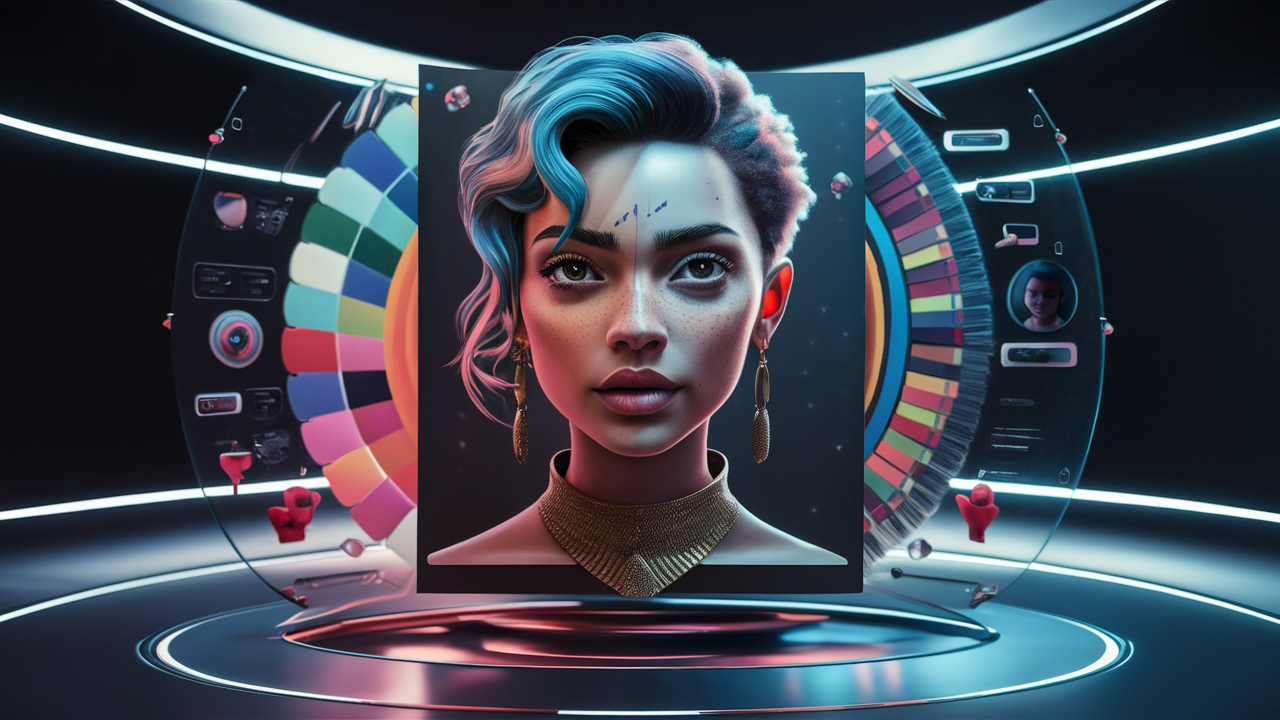
Visual Identity for Creators: How AI Avatars and Photo Editing Are Reshaping Online Presence is more than a trending topic—it reflects one of the biggest transformations in digital branding today. As creators compete for attention across websites, social platforms, video channels, and online communities, visual consistency has become just as important as the content itself. From personalized AI-generated avatars to advanced photo editing techniques, modern creators now have access to powerful tools that help establish recognizable brands, strengthen audience trust, and communicate their unique personalities. This article explores how these technologies are changing the way creators build their online presence, the opportunities they provide, the challenges they introduce, and the best practices for developing a memorable visual identity that remains authentic and future-ready.
Understanding the Importance of Visual Identity
A strong visual identity is the foundation of every successful creator brand. Before audiences read a blog post, watch a video, or listen to a podcast, they often notice visual elements that create an immediate impression.
These elements include:
- Profile images
- Logos
- Brand colors
- Typography
- Photography style
- Video thumbnails
- Graphics
- Website design
Together, these components communicate professionalism, personality, and credibility.
The rise of Visual Identity for Creators: How AI Avatars and Photo Editing Are Reshaping Online Presence demonstrates how visual branding has evolved beyond simple design choices into a strategic asset that influences audience engagement and long-term recognition.
The Evolution of Creator Branding
Not long ago, creating a professional online identity required expensive photographers, graphic designers, and branding agencies.
Today, technological innovation has dramatically changed that landscape.
Independent creators can now build polished brands using accessible creative tools that automate complex design tasks while preserving creative control.
This shift has empowered:
- Freelancers
- Influencers
- Writers
- Educators
- Streamers
- Designers
- Entrepreneurs
- Small business owners
As competition grows across digital platforms, creators increasingly recognize that first impressions often determine whether audiences stay or leave.
This ongoing transformation explains why Visual Identity for Creators: How AI Avatars and Photo Editing Are Reshaping Online Presence has become such an important discussion within the creative community.
The Rise of AI Avatars
AI-generated avatars have emerged as one of the most significant developments in digital identity.
Unlike traditional profile photos, AI avatars offer remarkable flexibility while maintaining consistent branding.
Creators use them for:
- Social media profiles
- Business websites
- Video introductions
- Online courses
- Virtual meetings
- Marketing campaigns
- Gaming communities
An effective avatar can instantly communicate a creator’s personality while remaining visually distinctive across multiple platforms.
For creators who prefer privacy, AI avatars also provide an attractive alternative to sharing personal photographs while still maintaining a recognizable online identity.
The increasing adoption of these technologies illustrates why Visual Identity for Creators: How AI Avatars and Photo Editing Are Reshaping Online Presence continues gaining attention.
Modern Photo Editing Has Become More Accessible
Photo editing has evolved from a highly specialized skill into an everyday creative process.
Today’s editing tools allow creators to improve image quality without requiring years of professional experience.
Common improvements include:
- Exposure correction
- Color enhancement
- Background refinement
- Object removal
- Portrait adjustments
- Noise reduction
- Image sharpening
- Composition improvements
Rather than dramatically altering reality, many creators now focus on maintaining clean, consistent visuals that reflect their personal brand.
The goal is not perfection but clarity and professionalism.
Consistency Builds Recognition
One of the greatest advantages discussed in Visual Identity for Creators: How AI Avatars and Photo Editing Are Reshaping Online Presence is consistency.
Audiences remember brands that look familiar.
Consistent visual branding helps creators establish recognition across different channels.
Important areas include:
Profile Images
Using the same avatar or portrait across platforms strengthens familiarity.
Color Palette
Repeated use of carefully selected colors reinforces brand identity.
Typography
Consistent fonts create professional cohesion.
Image Style
Maintaining similar editing techniques improves overall presentation.
Over time, these small details become closely associated with the creator’s identity.
Authenticity Still Matters
While AI can generate impressive visuals, authenticity remains essential.
Audiences appreciate polished content, but they also value honesty.
Creators should ensure that visual enhancements support rather than replace genuine personality.
Authenticity can be maintained by:
- Using realistic editing
- Avoiding excessive manipulation
- Remaining transparent when appropriate
- Reflecting personal values
- Maintaining consistent messaging
The most successful creator brands combine technology with genuine human connection.
Building Trust Through Professional Visuals
Professional visuals influence audience perception.
People naturally associate organized branding with credibility and reliability.
When creators maintain high-quality visual standards, audiences often perceive them as:
- More experienced
- More trustworthy
- Better organized
- More committed
- More memorable
This psychological effect explains why investments in visual branding often produce long-term benefits.
The principles behind Visual Identity for Creators: How AI Avatars and Photo Editing Are Reshaping Online Presence emphasize that strong visuals support—not replace—valuable content.
Personal Branding Across Multiple Platforms
Modern creators rarely publish content in only one location.
Instead, they often maintain a presence on:
- Video platforms
- Blogging websites
- Professional networks
- Online portfolios
- Digital communities
- Newsletter platforms
A unified visual identity ensures audiences immediately recognize the creator regardless of where they encounter the content.
This consistency reduces confusion while strengthening brand recall.
The Role of Creativity
Technology provides tools, but creativity remains the defining factor.
Successful creators understand that visual identity extends beyond attractive graphics.
It involves communicating:
- Values
- Personality
- Expertise
- Style
- Mission
- Audience expectations
Every design decision should support the broader story the creator wants to tell.
Challenges of AI-Generated Branding
Although Visual Identity for Creators: How AI Avatars and Photo Editing Are Reshaping Online Presence offers numerous opportunities, several challenges deserve consideration.
Over-Reliance on Automation
Using identical AI-generated styles may reduce originality.
Maintaining Authenticity
Creators must balance enhancement with honesty.
Visual Saturation
As more creators adopt similar tools, standing out requires thoughtful customization.
Consistency Over Time
Frequent changes to logos, avatars, or colors may weaken audience recognition.
Addressing these challenges requires intentional branding rather than simply following trends.
Photo Editing as a Storytelling Tool
Images communicate emotion before words appear.
Thoughtful editing helps creators emphasize important aspects of their stories.
Examples include:
- Warm lighting for welcoming content.
- Minimalist backgrounds for educational material.
- Vibrant colors for energetic brands.
- Clean compositions for professional services.
Every visual decision contributes to audience perception.
Rather than focusing solely on aesthetics, creators should view editing as part of their overall communication strategy.
Future Trends in Visual Identity
The future of Visual Identity for Creators: How AI Avatars and Photo Editing Are Reshaping Online Presence will likely include even greater personalization.
Emerging developments may include:
- Interactive digital avatars
- Real-time personalized graphics
- Intelligent brand recommendations
- Adaptive visual themes
- Virtual creator environments
As technology advances, successful creators will remain those who combine innovation with authenticity.
Technology changes rapidly, but genuine human connection remains timeless.
Best Practices for Building a Strong Visual Identity
Creators seeking long-term success should consider several practical strategies.
Develop Clear Brand Guidelines
Choose colors, fonts, imagery, and layouts that reflect your personality.
Prioritize Consistency
Use similar visual elements across every platform.
Edit With Purpose
Enhance quality without losing authenticity.
Update Gradually
Refresh branding thoughtfully instead of making constant dramatic changes.
Know Your Audience
Visual identity should resonate with the people you hope to reach.
Following these principles creates stronger recognition while supporting meaningful audience relationships.
Why Visual Identity Matters More Than Ever
Digital audiences make rapid decisions.
Within seconds, viewers often determine whether a creator appears trustworthy, interesting, or professional.
Because of this reality, visual branding has become an essential component of online success.
The growing relevance of Visual Identity for Creators: How AI Avatars and Photo Editing Are Reshaping Online Presence reflects broader changes in how people consume digital content.
Strong visual identity no longer belongs exclusively to large companies.
Independent creators now compete on equal creative footing through thoughtful branding and accessible technology.
Conclusion
Visual Identity for Creators: How AI Avatars and Photo Editing Are Reshaping Online Presence represents one of the most significant developments in modern digital branding. AI-powered avatars and advanced photo editing tools have made professional-quality visual identities more accessible than ever, enabling creators to establish recognizable brands, strengthen audience trust, and maintain consistency across multiple platforms. However, technology alone cannot create lasting success. Authenticity, creativity, and meaningful storytelling remain at the heart of every memorable creator brand. By combining innovative visual tools with genuine personality and clear communication, creators can build an online presence that not only captures attention but also fosters long-term relationships with their audiences. As digital platforms continue to evolve, those who balance technological innovation with authentic self-expression will be best positioned to thrive.

JG Wentworth Commercial: The Story Behind the Famous 877-CASH-NOW Ads

2006 Hyundai Elantra: Complete Guide to Specs, MPG, Features, Reliability, and Value

Trex RainEscape: Complete Under-Deck Drainage Guide for 2026

Zingyzon com: A Complete Guide to the Online Shopping Platform in 2026

Visual Identity for Creators: How AI Avatars and Photo Editing Are Reshaping Online Presence

Brett Harrelson: Everything We Know About Woody Harrelson’s Brother and His Private Life
 Business3 months ago
Zingyzon com: A Complete Guide to the Online Shopping Platform in 2026
- Technology4 months ago
Visual Identity for Creators: How AI Avatars and Photo Editing Are Reshaping Online Presence
- Celebrity4 months ago
Brett Harrelson: Everything We Know About Woody Harrelson’s Brother and His Private Life
- Business3 months ago
MyGreenBucks.net Kenneth: Complete Guide to the Personal Finance Platform and Kenneth Jones (2026)
- Celebrity3 months ago
Chris Cosgrove: Biography, Career, Achievements, and Lasting Legacy
- Blog3 months ago
About ThriftyEvents net: A Complete Guide to Budget-Friendly Event Planning in 2026
- Business3 months ago
Sean Rashad: Biography, Career, Achievements, Personal Life, and Growing Public Recognition
- Blog3 months ago
The Blog BlueFlamePublishing: A Complete 2026 Guide for Writers, Authors, and Publishing Enthusiasts