Blog
The Blog BlueFlamePublishing: A Complete 2026 Guide for Writers, Authors, and Publishing Enthusiasts

In today’s digital publishing landscape, The Blog BlueFlamePublishing has become a topic of interest among aspiring authors, self-publishers, book lovers, and creative professionals looking for practical insights into the publishing world. Whether you are preparing your first manuscript or expanding your knowledge of modern publishing trends, a well-maintained publishing blog can serve as a valuable educational resource.
This comprehensive 2026 guide explores everything you need to know about The Blog BlueFlamePublishing, including its purpose, the value it offers readers, publishing advice, writing strategies, editing tips, book marketing techniques, and how publishing blogs continue shaping the future of authorship.
What Is The Blog BlueFlamePublishing?
The Blog BlueFlamePublishing is generally associated with publishing-related content that focuses on helping writers improve their craft while navigating today’s competitive book industry. Publishing blogs provide readers with articles covering writing techniques, editing advice, self-publishing guidance, marketing strategies, industry updates, and author success stories.
Rather than simply promoting books, blogs like The Blog BlueFlamePublishing often aim to educate both new and experienced writers through informative content that supports every stage of the publishing journey.
Typical topics may include:
- Creative writing techniques
- Book editing best practices
- Self-publishing guidance
- Traditional publishing insights
- Author branding
- Book marketing strategies
- Digital publishing trends
- Writing productivity tips
As publishing continues evolving in 2026, educational blogs remain an essential resource for authors seeking reliable information and practical inspiration.
Why Publishing Blogs Matter More Than Ever in 2026
The publishing industry has changed dramatically over the last decade. Modern authors have more opportunities than ever before to publish independently while reaching global audiences through digital platforms.
The Blog BlueFlamePublishing reflects this growing demand for accessible publishing knowledge by providing readers with valuable educational content.
Publishing blogs help writers:
- Understand the publishing process
- Improve manuscript quality
- Learn effective editing methods
- Develop marketing skills
- Build an author platform
- Stay informed about industry changes
- Discover publishing tools and resources
Instead of relying solely on traditional publishers, today’s authors often combine multiple publishing approaches to maximize visibility and long-term success.
Essential Writing Tips Shared Through Publishing Blogs
Strong writing remains the foundation of every successful book. Publishing blogs frequently emphasize practical methods that help writers strengthen their manuscripts before submission or publication.
Develop a Consistent Writing Routine
Successful authors understand that consistency often matters more than waiting for inspiration. Setting aside dedicated writing time each day helps maintain momentum and steadily improves productivity.
Focus on Clear Storytelling
Whether writing fiction or nonfiction, readers appreciate content that is organized, engaging, and easy to follow. Clear structure, compelling ideas, and logical progression create a stronger reading experience.
Revise Before Publishing
First drafts are rarely final drafts. Careful revision allows authors to refine language, improve pacing, eliminate repetition, and strengthen overall readability.
Read Widely
Reading books across multiple genres exposes writers to different styles, perspectives, and storytelling techniques that can inspire their own work.
Understanding Modern Publishing Options
One of the most valuable aspects of The Blog BlueFlamePublishing is educating writers about today’s publishing choices.
Traditional Publishing
Traditional publishing involves submitting manuscripts to literary agents or publishing houses. If accepted, the publisher typically manages editing, design, printing, distribution, and marketing support.
Advantages include:
- Professional editorial assistance
- Established distribution channels
- Industry credibility
- Print and retail availability
Self-Publishing
Self-publishing allows authors to maintain creative control while independently managing the publishing process.
Benefits include:
- Faster publication
- Higher royalty percentages
- Complete ownership
- Flexible pricing
- Worldwide digital distribution
Many modern authors successfully combine both publishing methods throughout their careers.
Book Marketing Strategies Every Author Should Know
Publishing a book is only the beginning. Effective marketing helps readers discover your work and build long-term visibility.
Build an Author Website
A professional website serves as the central hub for your books, biography, contact information, blog posts, and reader updates.
Use Social Media Strategically
Platforms such as Facebook, Instagram, LinkedIn, X, and TikTok enable authors to engage directly with readers, announce new releases, and share writing updates.
Create Valuable Blog Content
Publishing informative blog articles attracts organic search traffic while establishing authority within your genre or subject area.
Grow an Email Newsletter
Email marketing remains one of the most reliable ways to communicate with readers, announce book launches, and share exclusive content.
Encourage Reader Reviews
Positive reviews increase credibility and help future readers make informed purchasing decisions.
The Role of Editing and Professional Book Design
Even outstanding manuscripts require careful editing before publication.
Professional editing typically includes:
- Developmental editing
- Line editing
- Copy editing
- Proofreading
Each stage improves clarity, grammar, structure, and overall quality.
Book design is equally important.
Professional publishing blogs frequently emphasize:
- Attractive cover design
- Readable typography
- Proper formatting
- Consistent chapter layouts
- High-quality illustrations when appropriate
Readers often judge a book’s professionalism before reading the first page.
Publishing Trends Shaping the Industry in 2026
The publishing world continues evolving rapidly.
Several important trends define 2026:
Artificial Intelligence as a Writing Assistant
Many authors now use AI tools for brainstorming, outlining, grammar improvement, and research while maintaining original creativity and editorial control.
Audiobook Growth
Audiobooks continue attracting new audiences who prefer listening while commuting, exercising, or traveling.
Global Digital Publishing
Authors increasingly reach international readers through ebooks and online bookstores without requiring physical distribution.
Community Building
Successful authors invest in long-term relationships with readers through newsletters, online communities, virtual events, and interactive content.
Educational Publishing Blogs
Blogs remain valuable learning platforms because they combine expert advice, practical tutorials, publishing news, and motivational resources in one accessible location.
Why The Blog BlueFlamePublishing Continues to Attract Readers
The continued interest in The Blog BlueFlamePublishing reflects the growing demand for trustworthy publishing guidance. Writers at every stage of their journey seek reliable information that helps them improve their skills, understand industry developments, and confidently publish high-quality books.
By combining practical writing advice, publishing education, marketing insights, and professional editing recommendations, publishing blogs empower authors to make informed decisions while building successful writing careers. As digital publishing continues expanding throughout 2026, resources like The Blog BlueFlamePublishing remain valuable companions for anyone passionate about books, storytelling, and professional publishing.
Frequently Asked Questions (FAQ)
What is The Blog BlueFlamePublishing?
It is a publishing-focused blog associated with content about writing, editing, self-publishing, book marketing, and industry insights for authors and readers.
Who can benefit from reading publishing blogs?
Aspiring writers, experienced authors, editors, publishers, students, and anyone interested in the publishing industry can benefit from informative publishing blogs.
Why are publishing blogs important?
They provide practical advice, industry updates, writing tips, marketing strategies, and educational resources that help authors improve their publishing success.
Can beginners learn publishing through blogs?
Yes. Many publishing blogs offer beginner-friendly guides covering manuscript preparation, editing, publishing options, and promotional strategies.
What publishing trend is expected to grow in 2026?
Digital publishing, audiobooks, AI-assisted writing tools, global ebook distribution, and author community building are expected to continue growing throughout 2026.
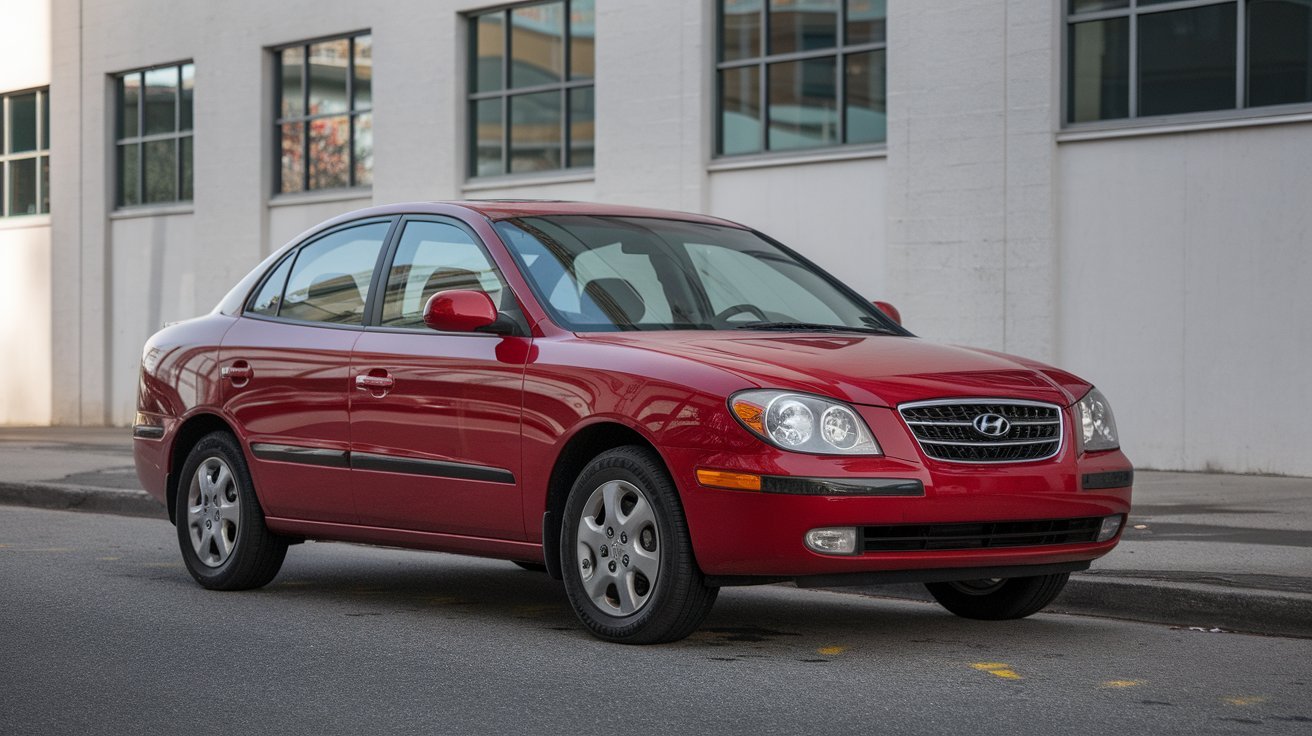
The 2006 Hyundai Elantra is an older compact car that continues to attract attention in the used-car market because of its practical design, simple mechanical layout, comfortable interior, and relatively low running costs. As we look at the model in 2026, the 2006 Elantra is nearly two decades old, so condition and maintenance history are more important than the original specification.
The 2006 model year offered the Elantra as both a four-door sedan and five-door hatchback. Buyers could choose trims such as GLS, GT, and the newer Limited sedan. Under the hood was a 2.0-liter four-cylinder engine, paired with either a five-speed manual or four-speed automatic transmission. Hyundai used front-wheel drive across the range.
For buyers looking for an inexpensive used vehicle in 2026, the 2006 Hyundai Elantra can still make sense, provided the particular car has been properly maintained.
2006 Hyundai Elantra Engine, Performance, and Transmission
The main engine in the 2006 Hyundai Elantra is a 2.0-liter DOHC four-cylinder with continuously variable valve timing. Hyundai rated the engine at 138 horsepower and 136 lb-ft of torque in ULEV configuration. In states using SULEV equipment, output was approximately 132 horsepower and 133 lb-ft of torque.
The car used front-wheel drive, keeping the drivetrain relatively straightforward. GLS and GT models could be equipped with a five-speed manual transmission, while a four-speed automatic was also available. The Limited sedan came with the automatic transmission.
For a compact car from this era, the engine provides reasonable everyday performance. The manual transmission is particularly interesting for drivers who enjoy more control, while the automatic is better suited to people who want an easier commuting experience.
The 2006 Elantra was never intended to be a high-performance car. Instead, its strengths were easy driving, practical power, maneuverability, and affordability. Contemporary reviews found the manual version surprisingly lively, while the automatic could feel slower during highway passing.
2006 Hyundai Elantra MPG and Fuel Economy
Fuel economy is one of the reasons the 2006 Hyundai Elantra remains interesting as an inexpensive used vehicle.
EPA figures vary according to body style, transmission, and emissions configuration. Edmunds lists approximately 23 mpg city and 31 mpg highway for one GLS configuration, while other configurations are listed around 21/29 mpg or 25/32 mpg.
That means buyers should check the exact configuration of the vehicle rather than assuming every 2006 Elantra has identical fuel-economy ratings.
The car uses regular unleaded gasoline, and its relatively small four-cylinder engine can keep fuel costs reasonable compared with larger vehicles.
In 2026, however, real-world MPG depends heavily on the vehicle’s condition. A nearly 20-year-old Elantra may have worn oxygen sensors, dirty fuel injectors, underinflated tires, aging ignition components, or other mechanical issues that reduce efficiency.
A well-maintained example can therefore be considerably more economical than a neglected one.
Interior, Dimensions, Cargo Space, and Comfort
The 2006 Hyundai Elantra was designed to offer more interior room than its compact exterior might suggest. The sedan seats five people, and the rear seat folds to provide additional carrying flexibility. Contemporary specifications list the sedan at about 178 inches long, with a 102.7-inch wheelbase.
The sedan provides approximately 13 cubic feet of trunk space, while the hatchback is considerably more flexible for carrying larger objects. Edmunds lists about 20.1 cubic feet of cargo capacity for a hatchback configuration.
The cabin was not designed as a luxury environment, but it provided many useful features for its time. Standard equipment could include air conditioning, a CD player, cruise control, power windows, power locks, power mirrors, remote keyless entry, and a tilt steering column.
The Limited sedan added a more upscale appearance, including leather seating and woodgrain-style interior trim. The GT hatchback also had a sportier cabin and distinctive gauges.
One of the Elantra’s strongest qualities was its practical passenger space. Contemporary reviewers specifically praised its rear-seat legroom and comfortable seating.
2006 Hyundai Elantra GT and Limited Trims
The 2006 Hyundai Elantra lineup had several versions aimed at different buyers.
The GLS was the mainstream model, offering a balance of price and equipment. It was available as a sedan and hatchback.
The GT was the sportier hatchback. It received a firmer suspension, larger stabilizer bars, gas-filled shocks, alloy wheels, and four-wheel disc brakes. The GT also had a more distinctive interior and sport-oriented appearance.
The Limited was new for the 2006 model year and focused more on comfort and upscale features. It included equipment such as leather seating, woodgrain interior decoration, fog lamps, a leather-wrapped steering wheel, and chrome exterior details, depending on configuration.
This variety makes the 2006 Elantra interesting on the used market. A buyer who wants practicality may prefer a GLS, while someone looking for a more unusual older hatchback may find the GT more appealing.
Safety, Reliability, and Common Ownership Concerns
Safety deserves particular attention when evaluating a 2006 Hyundai Elantra in 2026. The vehicle was equipped with safety technology that was useful for its period, including available or standard equipment depending on configuration such as side airbags, ABS, traction control, and other restraint systems.
However, modern buyers should not confuse old crash-test results with the safety technology found in today’s vehicles.
The IIHS gave the Elantra a Good rating in its original moderate-overlap frontal test, but its original side-impact evaluation was Poor. The IIHS also notes that the tested 2004 Elantra evaluation applies to 2004–2006 models and that airbag changes were made during this generation.
For reliability, the biggest consideration in 2026 is age. Even a well-designed engine can develop problems after almost 20 years. Buyers should inspect the cooling system, suspension, brakes, exhaust, steering components, belts, hoses, electrical equipment, transmission operation, and evidence of oil leaks.
Rust and previous accident damage are also important. A cheap purchase price does not necessarily mean a cheap car if major repairs are immediately required.
Is the 2006 Hyundai Elantra Worth Buying in 2026?
The 2006 Hyundai Elantra can still be a sensible purchase for someone who needs inexpensive transportation and finds a well-maintained example. Its strengths include a simple 2.0-liter four-cylinder engine, front-wheel drive, useful interior space, good maneuverability, and reasonable fuel economy.
The biggest advantage today is potentially the low purchase cost. Because the vehicle is nearly 20 years old, its price is generally determined more by condition, mileage, maintenance history, and local market demand than by its original MSRP.
However, buyers should not purchase one simply because it is cheap. A thorough inspection is extremely important. Service records, cold-start behavior, transmission operation, suspension noise, brake condition, tire wear, rust, warning lights, and fluid leaks should all be checked before purchase.
For someone who wants a basic commuter and understands the compromises of an older vehicle, the 2006 Hyundai Elantra can remain useful in 2026.
Final Thoughts
The 2006 Hyundai Elantra represents a straightforward era of compact-car engineering. Its 2.0-liter four-cylinder engine, five-speed manual or four-speed automatic transmission, front-wheel drive, practical cabin, and available sedan and hatchback body styles give it plenty of everyday usefulness.
It is no longer a modern vehicle, and its age means condition matters enormously. Nevertheless, a properly maintained Elantra can still provide affordable transportation, decent fuel economy, comfortable seating, and useful cargo flexibility.
For a 2026 used-car buyer, the best 2006 Hyundai Elantra is not necessarily the cheapest one. The better choice is the example with the strongest maintenance history, cleanest condition, and fewest signs of neglect.
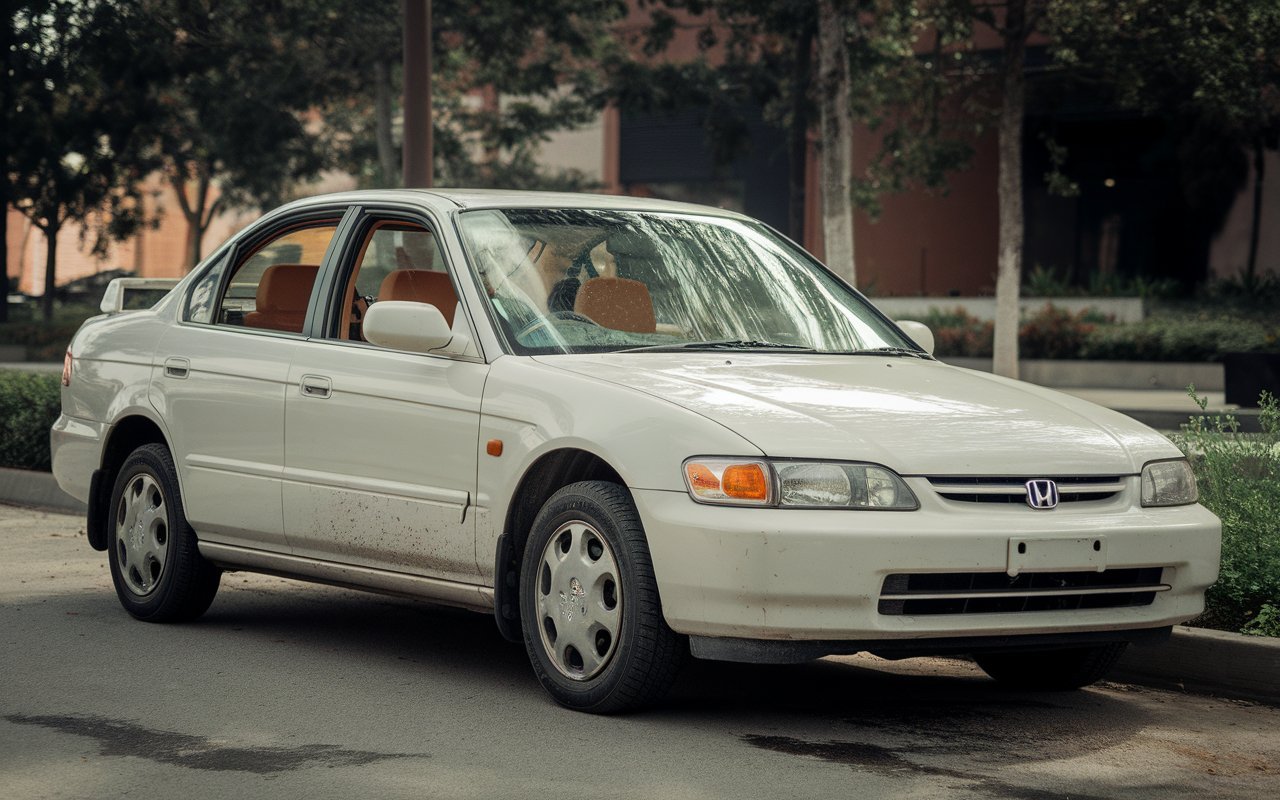
The Honda Accord 2000 remains an interesting choice for drivers, collectors, and used-car enthusiasts who appreciate older Japanese vehicles with straightforward engineering, practical dimensions, and a reputation for everyday usability. As a model from the sixth-generation Accord era, the 2000 model year offered a combination of sedan, coupe, four-cylinder, and V6 configurations, giving buyers considerably more choice than the simple specification of a single engine might suggest.
For 2026 shoppers researching an older vehicle, the 2000 Accord is especially relevant because its age makes condition, maintenance history, rust, mileage, and previous repairs more important than the original showroom specification. The standard four-cylinder versions used a 2.3-liter engine, while higher-performance configurations could be equipped with a 3.0-liter V6 producing 200 horsepower. Depending on trim and body style, the Accord could also be ordered with a five-speed manual or four-speed automatic transmission.
What Is the 2000 Honda Accord?
The 2000 Honda Accord was offered as both a midsize family sedan and a sportier two-door coupe. Its basic formula was familiar: front-wheel drive, gasoline engines, independent suspension, practical passenger space, and a choice of equipment levels. The sedan measured approximately 188.8 inches long, 70.3 inches wide, and 57.3 inches high, with a 106.9-inch wheelbase in common four-cylinder configurations.
The Accord’s design philosophy was focused on making the car useful for everyday transportation while retaining respectable driving characteristics. The cabin could accommodate five passengers, and sedan versions offered approximately 14.1 cubic feet of trunk space. The coupe was slightly shorter and offered approximately 13.6 cubic feet of cargo room.
The model was available in several trims, including DX, LX, EX, SE, and V6-equipped versions, depending on body style and equipment. This variety means that two 2000 Accords can have noticeably different performance, interior equipment, wheels, and safety features.
Honda Accord 2000 Engine and Performance
The most common engine in the 2000 Honda Accord is the 2.3-liter four-cylinder. In typical LX and EX configurations, it produced approximately 150 horsepower and 152 lb-ft of torque. Edmunds lists the engine with a five-speed manual transmission in its specifications, while the Accord was also available with a four-speed automatic.
The entry-level DX used a different calibration of the 2.3-liter four-cylinder, producing 135 horsepower and 145 lb-ft of torque. This version was intended more toward affordability than outright performance.
For buyers wanting considerably more power, the 3.0-liter V6 was available in higher-end configurations. The V6 generated approximately 200 horsepower and 195 lb-ft of torque, making it the performance-oriented choice in the 2000 Accord lineup. Edmunds lists the V6 coupe with a four-speed automatic and front-wheel drive.
These figures may appear modest by 2026 standards, but the 2000 Accord was relatively light compared with many modern vehicles. The combination of front-wheel drive, naturally aspirated engines, and relatively simple transmissions also contributes to the car’s classic character.
Fuel Economy and Everyday Driving
Fuel economy was another strength of the four-cylinder Accord. Edmunds lists the common 2.3-liter LX sedan at approximately 22 mpg city and 29 mpg highway, or 24 mpg combined, when equipped with the specified configuration. The vehicle used regular unleaded gasoline and had a fuel tank capacity of about 17.1 gallons.
The exact fuel economy varies according to engine, body style, transmission, trim, and driving conditions. The V6 naturally uses more fuel; Edmunds lists approximately 18 mpg city and 25 mpg highway for the 2000 Accord EX V6 coupe.
On the road, the four-cylinder Accord is best understood as a practical commuter rather than a modern performance car. Its front-wheel-drive layout, independent suspension, relatively compact dimensions, and responsive steering make it suitable for everyday urban and highway driving. The car’s age, however, means that the condition of suspension components, tires, brakes, steering parts, and engine mounts can have a greater impact on driving quality than the original factory specification.
2000 Honda Accord Trim Levels and Body Styles
One of the interesting aspects of the Honda Accord 2000 is the variety of configurations available. The DX served as the basic model, while the LX added additional comfort and convenience equipment. The EX occupied a more upscale position and could be ordered with either the four-cylinder or V6 depending on configuration. Cars.com records EX versions in both coupe and sedan forms, with manual and automatic transmissions available for four-cylinder models.
The SE was another sedan configuration, positioned as a well-equipped version of the Accord. Meanwhile, the EX V6 provided substantially more power for drivers who wanted stronger acceleration without moving away from the Accord’s practical front-wheel-drive layout.
The coupe had its own proportions and equipment combinations. Edmunds lists the 2000 EX coupe at approximately 186.6 inches long, with a 105.1-inch wheelbase and 13.6 cubic feet of cargo capacity.
This variety is useful when shopping for one today because buyers can select the body style and powertrain that best match their needs.
Interior Space, Suspension, and Practicality
Inside, the 2000 Honda Accord was designed around five-passenger practicality. Sedan versions provided approximately 42.1 inches of front legroom, while rear legroom was around 37.9 inches in the common four-cylinder sedan specification.
The Accord also used independent suspension, including double-wishbone suspension at both the front and rear according to Cars.com’s specifications. That suspension design was an important part of Honda’s approach to balancing ride comfort with controlled handling.
The relatively straightforward cabin can be an advantage for someone who prefers an older vehicle without the enormous number of electronic systems found in modern cars. At the same time, age-related deterioration can affect interior plastics, upholstery, switches, climate-control components, and electrical equipment. A well-preserved example can feel surprisingly usable, while a neglected one may require substantial refurbishment.
Safety and Reliability Considerations in 2026
When considering a Honda Accord 2000 today, reliability should be evaluated on the condition of the individual vehicle rather than the reputation of the model alone. A car that is more than two decades old may have experienced multiple owners, accidents, deferred maintenance, or extensive repairs.
Safety technology has also changed dramatically since 2000. Some Accord configurations offered front side airbags, while safety equipment varied by trim and body style. Edmunds’ specifications show side-mounted airbags as optional on certain EX configurations and not available on some lower trims.
A prospective buyer should therefore inspect the vehicle carefully. Important areas include the engine, transmission, suspension, brakes, steering, cooling system, exhaust, electrical components, tires, and body structure. Rust deserves particular attention on older vehicles because corrosion can become more important than mileage.
Service records can be more valuable than a low odometer reading. An Accord with higher mileage but documented maintenance may be a better purchase than a lower-mileage example that has been neglected.
Is the Honda Accord 2000 Still Worth Buying in 2026?
The Honda Accord 2000 can still make sense in 2026 for buyers seeking an inexpensive, relatively simple used car or for enthusiasts interested in an older Honda. Its strongest qualities include a practical interior, front-wheel drive, available manual transmission, proven naturally aspirated engine designs, and a wide range of sedan and coupe configurations.
The 2.3-liter four-cylinder is the logical choice for economical everyday transportation, while the 3.0-liter V6 provides substantially stronger performance. Buyers who value driving involvement may also find a manual-transmission four-cylinder particularly appealing, although availability today depends heavily on the condition and history of individual cars.
The biggest limitation is simply age. Even a well-regarded model can develop expensive problems after more than 25 years. Therefore, purchasing decisions should focus on inspection results, maintenance records, rust condition, replacement parts, and the overall mechanical health of the vehicle.
Final Thoughts
The Honda Accord 2000 represents an era when a midsize family car could remain relatively simple while offering useful performance and everyday practicality. With 2.3-liter four-cylinder engines, an available 3.0-liter V6, manual and automatic transmissions, front-wheel drive, five-passenger seating, and practical cargo capacity, it offered a broad range of choices when new.
In 2026, its appeal is less about having the latest technology and more about finding a well-maintained example with solid mechanical condition. A carefully inspected Accord 2000 can still serve as affordable transportation or an enjoyable older Honda, while neglected examples may require significant investment. For anyone researching this classic model, understanding the original specifications is only the beginning; the condition of the specific car ultimately matters most.
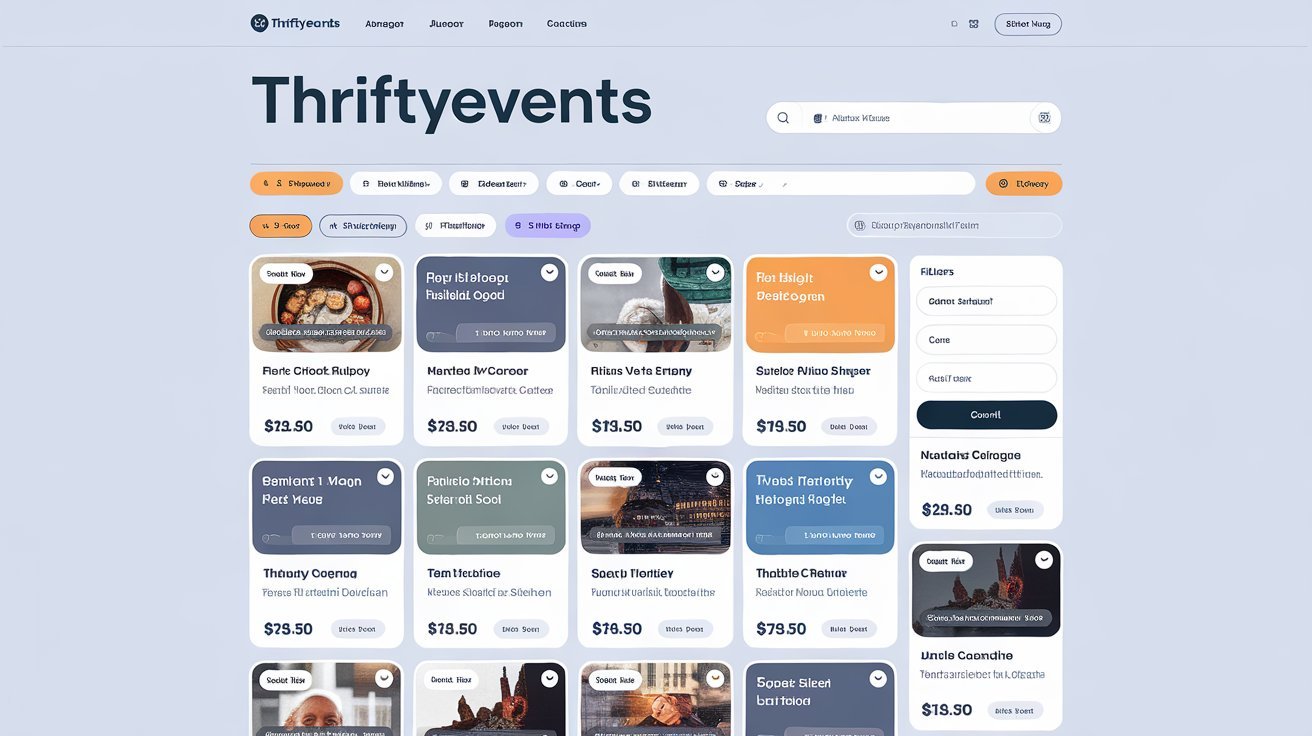
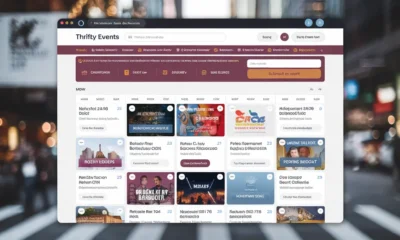
The ThriftyEvents.net page is a useful topic for readers searching for practical event-planning inspiration, budgeting ideas, and creative ways to organize memorable occasions. Whether we are preparing a birthday celebration, wedding, corporate gathering, community fundraiser, or family event, a thoughtful plan can help us achieve a successful result without unnecessary spending. In 2026, affordable event planning is increasingly about making informed choices, reducing waste, and focusing on the details that genuinely improve the guest experience.
The central principle of thrifty event planning is simple: we do not need to spend the most money to create the best event. A suitable venue, carefully planned menu, attractive decorations, and engaging activities can often deliver more value than an expensive package filled with unnecessary extras. By combining creativity with realistic budgeting, we can create occasions that feel personal, organized, and enjoyable.
What Is the ThriftyEvents.net Page?
The phrase “thriftyevents.net page” generally refers to the website and its event-related content. The site presents itself as a resource for budget-friendly event planning, including budgeting tips, DIY ideas, and practical guidance for organizing celebrations. Its published content also discusses event-planning considerations such as venues, equipment, and ways to manage costs.
For readers, the value of this type of resource is that it brings different planning ideas together in one place. Instead of making decisions based only on advertisements or expensive packages, we can explore alternatives and compare what is genuinely useful for our occasion.
However, we should treat online articles as planning resources rather than guarantees. Prices, availability, vendor services, and event requirements can change. Before making a booking or payment, we should confirm important details directly with the relevant provider.
How We Can Use the ThriftyEvents.net Page for Event Planning
The most effective way to use an event-planning resource is to begin with a clear objective. Before collecting ideas, we should decide what kind of event we are organizing, how many guests may attend, and what experience we want to create.
A practical process includes:
- Define the event purpose before making purchases.
- Estimate the guest count as accurately as possible.
- Set a realistic budget before comparing suppliers.
- Identify the most important priorities for the occasion.
- Research suitable options for venues, food, decorations, and activities.
- Confirm current details before making commitments.
This approach helps us avoid spending money on attractive ideas that do not suit the event. It also makes it easier to identify where we can save and where spending a little more may improve the experience.
For example, a small family gathering may benefit from a comfortable home setting and homemade food, while a corporate event may require reliable equipment and professional catering. The best budget reflects the purpose of the occasion.
Budget-Friendly Event Ideas Worth Exploring
Thrifty event planning is built around smart spending and creative alternatives. We can apply these principles to several common event types without making the occasion feel ordinary.
Birthday celebrations: A simple theme, homemade decorations, and a carefully planned menu can create a welcoming atmosphere without requiring expensive entertainment.
Weddings: Couples can prioritize meaningful features such as the ceremony, food, or photography while choosing more economical options for less important expenses.
Corporate events: A clear objective, realistic attendee estimate, and comparison of venue and catering options can help organizations avoid unnecessary spending.
Community gatherings: Shared resources, local suppliers, and volunteer-supported activities may help create a successful event while keeping costs manageable.
The strongest approach is not necessarily to choose the cheapest option in every category. It is to select the option that provides the greatest value for the people attending.
How to Build a Realistic Event Budget
A clear budget is one of the most important tools for successful event planning. We should begin by listing the main categories of spending and estimating the likely cost of each.
| Budget Category | Important Considerations |
|---|---|
| Venue | Rental fee, deposits, equipment, and additional charges |
| Food and beverages | Menu, portions, catering, and dietary requirements |
| Decorations | Materials, rentals, reusable items, and setup |
| Entertainment | Activities, music, performers, or equipment |
| Invitations | Printing, digital invitations, and communication |
| Transportation | Travel, parking, and delivery costs |
| Contingency | Unexpected expenses and last-minute changes |
After creating the budget, we can compare suppliers and identify areas where savings are possible. We should also keep a contingency reserve rather than spending every available dollar before the event begins.
A realistic budget does not mean choosing the lowest price in every category. It means understanding the total cost and making decisions that provide the best overall value.
Affordable Venues, Decorations, and Food
Venue and supplier decisions can significantly affect the total cost of an event. We should compare more than the advertised price and consider what is included in each package. A venue that provides tables, chairs, lighting, or basic sound equipment may offer better value than a cheaper space requiring several additional rentals.
Decorations can also be managed creatively. Instead of purchasing large quantities of unrelated items, we can choose a simple color palette, consistent theme, and a few focal points. Reusable table runners, glass containers, handmade signs, and carefully arranged lighting can create a polished appearance without excessive spending.
Food planning is equally important. For informal gatherings, a buffet, shared meal, or finger-food menu may be more economical than a formal plated service. Seasonal ingredients and locally available products can also help us manage expenses.
We should estimate attendance accurately, plan portions carefully, and avoid purchasing more food or beverages than necessary. Good planning reduces waste while protecting the guest experience.
DIY Ideas and Sustainable Event Planning in 2026
DIY decorations can be an effective way to personalize an event while reducing expenses. We can use reusable table decorations, handmade signs, fabric runners, glass containers, and simple lighting to create a cohesive atmosphere.
Instead of decorating every part of a venue, we can focus on the entrance, dining area, and one memorable display. This helps us create a stronger visual impression without purchasing excessive materials.
Sustainability can also support affordability. We can begin by using digital invitations, reusable decorations, and durable serving items. When disposable products are necessary, we should select practical options and avoid excessive packaging.
Local sourcing can support both sustainability and affordability. Choosing nearby suppliers may reduce transportation costs and make delivery coordination easier. Seasonal flowers and locally available ingredients can also provide a distinctive event experience.
Sustainable planning is not about perfection. It is about making practical improvements that benefit our budget, guests, and environment.
Final Thoughts on the ThriftyEvents.net Page
The thriftyevents.net page topic is valuable for anyone seeking practical event inspiration, budgeting advice, and creative ways to organize celebrations in 2026. The website’s event-planning focus provides a useful starting point for exploring ideas, comparing options, and making more informed decisions.
By starting with a clear goal, setting a realistic budget, comparing suppliers, and focusing on what guests will genuinely appreciate, we can create events that feel thoughtful and well organized. Affordable event planning is not about removing everything enjoyable; it is about making better decisions with the resources available.
Frequently Asked Questions
What does “thriftyevents.net page” mean?
It generally refers to the ThriftyEvents.net website and its published event-planning content, including budgeting advice, DIY ideas, and practical guidance.
What types of events can we plan with budget-friendly ideas?
We can use these principles for birthdays, weddings, corporate gatherings, community events, and family celebrations.
How can we reduce event costs without sacrificing quality?
We can prioritize important expenses, compare suppliers, use reusable decorations, and choose activities that provide meaningful guest experiences.
Why is a contingency fund important?
A contingency fund helps us manage unexpected expenses, such as additional supplies, delivery charges, or last-minute changes.
Are DIY decorations suitable for every event?
Yes, when planned appropriately. We should choose materials and designs that match the event’s style, available time, and practical requirements.
Should we verify event information before booking?
Yes. We should confirm current prices, availability, venue details, and supplier terms before making commitments.

JG Wentworth Commercial: The Story Behind the Famous 877-CASH-NOW Ads

2006 Hyundai Elantra: Complete Guide to Specs, MPG, Features, Reliability, and Value

Trex RainEscape: Complete Under-Deck Drainage Guide for 2026

Zingyzon com: A Complete Guide to the Online Shopping Platform in 2026

Visual Identity for Creators: How AI Avatars and Photo Editing Are Reshaping Online Presence

Brett Harrelson: Everything We Know About Woody Harrelson’s Brother and His Private Life
 Business3 months ago
Zingyzon com: A Complete Guide to the Online Shopping Platform in 2026
- Technology4 months ago
Visual Identity for Creators: How AI Avatars and Photo Editing Are Reshaping Online Presence
- Celebrity4 months ago
Brett Harrelson: Everything We Know About Woody Harrelson’s Brother and His Private Life
- Business3 months ago
MyGreenBucks.net Kenneth: Complete Guide to the Personal Finance Platform and Kenneth Jones (2026)
- Celebrity4 months ago
Chris Cosgrove: Biography, Career, Achievements, and Lasting Legacy
- Blog3 months ago
About ThriftyEvents net: A Complete Guide to Budget-Friendly Event Planning in 2026
- Business3 months ago
Sean Rashad: Biography, Career, Achievements, Personal Life, and Growing Public Recognition
- Business3 months ago
Signer or Signor? Understanding the Difference, Correct Usage, Meaning, and Common Mistakes (2026 Guide)