
Food
Pork Stew Recipes with Tomatoes: A Rich, Comforting Guide for 2026

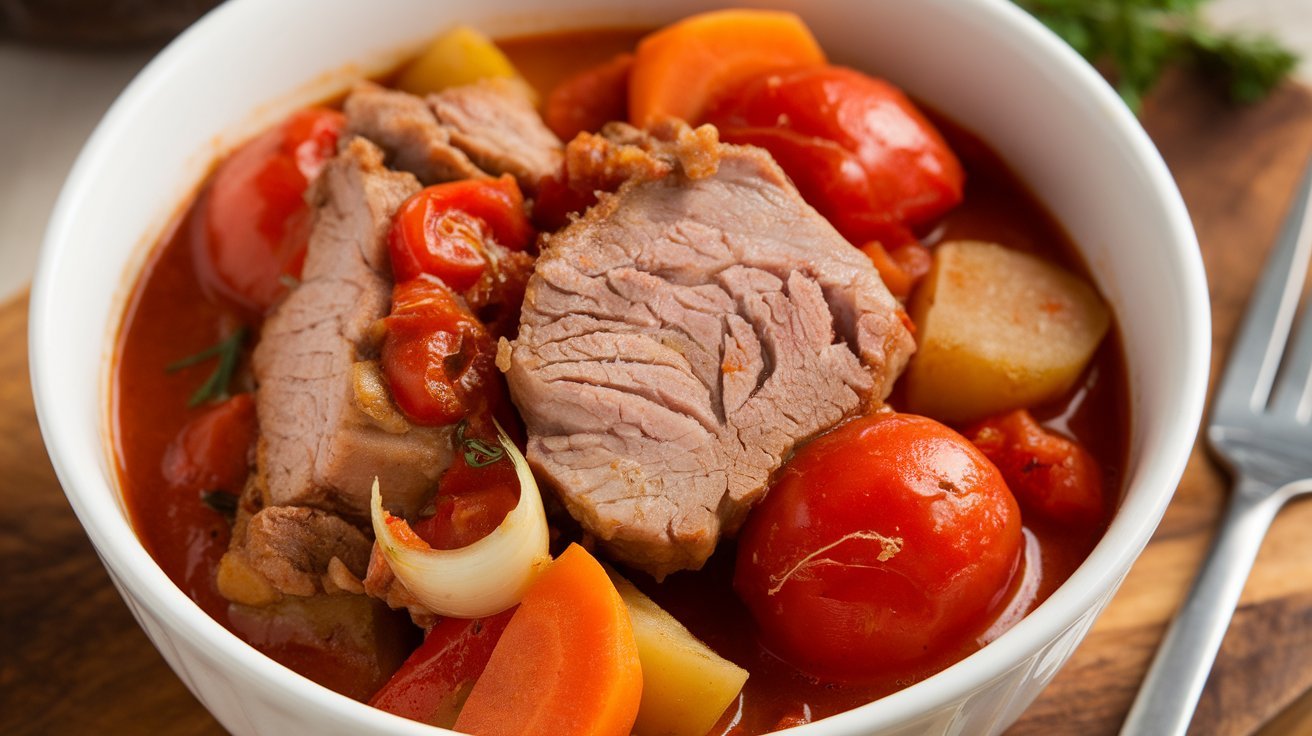
When we want a meal that is hearty, flavorful, comforting, and easy to prepare, few dishes are more satisfying than pork stew with tomatoes. A good tomato-based pork stew combines tender pieces of pork with a rich sauce, aromatic vegetables, herbs, and tomatoes that slowly develop a deep, savory flavor.
The beauty of pork stew recipes with tomatoes is their flexibility. We can prepare the dish with pork shoulder, pork loin, or other suitable cuts, then customize it with potatoes, carrots, peppers, beans, spices, or fresh herbs. Tomato-based pork dishes also work particularly well as one-pot meals and can often be prepared ahead for convenient family dinners.
Current recipe collections continue to emphasize the value of slow cooking, tomato-based sauces, simple ingredients, and batch-friendly meals. For example, contemporary pork recipes combine pork with tomato purée, onions, carrots, and spices, while other tomato-based pork dishes use canned tomatoes with vegetables and stock for a substantial sauce.
Why Pork and Tomatoes Work So Well Together
The combination of pork and tomatoes succeeds because the ingredients balance one another.
Pork has a naturally rich and savory character, while tomatoes contribute acidity, sweetness, moisture, and umami. During slow cooking, the tomato sauce absorbs flavors from browned pork, onions, garlic, herbs, and spices.
Tomatoes can also help create a stew that feels rich without requiring an excessively heavy sauce. We can use fresh tomatoes, canned chopped tomatoes, crushed tomatoes, tomato purée, or a combination depending on the desired consistency.
For a thicker stew, tomato purée can intensify the sauce while chopped tomatoes provide texture. A current pork ragout recipe, for example, uses tomato purée alongside onions, carrots, cumin, cinnamon, and pork, demonstrating how concentrated tomato flavor can work effectively in a slow-cooked pork dish.
Another advantage is versatility. We can make the stew mild and family-friendly, smoky and rustic, spicy and Mediterranean-inspired, or deeply seasoned with paprika and herbs.
Best Ingredients for Tomato Pork Stew
For a dependable homemade version, we can use the following ingredients:
- 700–900 g pork shoulder, cut into bite-size pieces
- 2 tablespoons olive oil
- 1 large onion, chopped
- 3 garlic cloves, minced
- 2 tablespoons tomato paste
- 400 g canned chopped tomatoes
- 250–400 ml chicken or vegetable stock
- 2 carrots, sliced
- 2 medium potatoes, cubed
- 1 red bell pepper, chopped
- 1 teaspoon smoked paprika
- 1 teaspoon dried oregano
- ½ teaspoon black pepper
- Salt to taste
- 1 bay leaf
- Fresh parsley for serving
Pork shoulder is particularly useful when we want a stew with tender, succulent meat because it handles longer cooking well. Leaner pork can also be used, but it requires more careful cooking to avoid becoming dry.
The vegetables can be adjusted according to what we have available. Carrots add sweetness, potatoes make the meal more substantial, and peppers contribute additional flavor and color.
We can also add beans or chickpeas. Tomato-based pork and chickpea combinations are already used in batch-friendly dishes, where tomatoes, pork, chickpeas, onions, peppers, and stock are slowly cooked together.
How to Make Pork Stew with Tomatoes
The secret to a flavorful stew is not simply putting everything into a pot. We get better results by building flavor in stages.
1. Brown the Pork
Heat the olive oil in a heavy pot or Dutch oven over medium-high heat. Season the pork with salt and pepper, then brown it in batches.
We should avoid overcrowding the pan. Browning creates a flavorful exterior and leaves savory browned bits in the bottom of the pot.
Once browned, transfer the pork to a plate.
2. Cook the Aromatics
Add the chopped onion to the same pot and cook until softened. Add the garlic and cook briefly.
Next, stir in the tomato paste, smoked paprika, and oregano. Cooking the tomato paste for a short time helps develop a deeper flavor.
3. Add Tomatoes and Stock
Pour in the chopped tomatoes and stock. Scrape the bottom of the pot to loosen the browned pieces.
Return the pork to the pot and add the carrots, potatoes, bell pepper, and bay leaf.
Bring the mixture to a gentle simmer.
4. Slow Cook Until Tender
Cover the pot and cook over low heat for approximately 60–90 minutes, or until the pork becomes tender and the vegetables are cooked through.
The exact time depends on the cut and size of the pork pieces. We should cook based on tenderness and safe doneness, rather than relying only on a fixed clock time.
5. Finish and Adjust
Remove the bay leaf and taste the stew.
We can adjust the seasoning with additional salt, pepper, paprika, herbs, or a small amount of acidity if necessary. Fresh parsley added immediately before serving gives the finished stew a brighter flavor.
Best Variations of Tomato-Based Pork Stew
One of the biggest advantages of this dish is that a basic recipe can become several different meals.
For a spicy pork tomato stew, we can add chili flakes, cayenne, jalapeño, or fresh chili peppers. Smoked paprika creates a deeper, slightly smoky character without necessarily making the stew hot.
For a Mediterranean-style version, we can add oregano, rosemary, bell peppers, olives, and garlic. Fresh tomatoes can also be incorporated during tomato season.
For a more substantial meal, add white beans or chickpeas. This creates a stew with additional texture and makes the dish especially suitable for batch cooking. Tomato-based pork and chickpea recipes can be prepared in large quantities and frozen in portions.
We can also make a simpler pork and tomato potato stew by focusing on pork, tomatoes, potatoes, onion, garlic, and herbs. This version is ideal when we want a filling one-pot dinner without a long ingredient list.
For a fresher summer variation, tomatoes and pork can be combined with potatoes, garlic, and rosemary. A current recipe from BBC Good Food uses vine-ripened tomatoes, potatoes, garlic, rosemary, and pork for a straightforward one-pot meal.
What to Serve with Pork Stew and Tomatoes
A rich tomato pork stew is already a complete meal, but the right side dish can make it even better.
Crusty bread is one of the easiest choices because it can absorb the tomato sauce. Rice is another excellent option, particularly when the stew contains plenty of sauce.
We can also serve it with:
- Mashed potatoes
- Steamed rice
- Buttered noodles
- Crusty sourdough
- Polenta
- Couscous
- Roasted vegetables
- Simple green salad
If the stew is particularly rich, a fresh green salad can provide contrast. Tomatoes, garlic, herbs, and olive oil also pair naturally with pork, creating an overall meal with complementary flavors.
For leftovers, the stew can be portioned into containers and refrigerated or frozen according to appropriate food-safety practices. Batch cooking is increasingly popular because prepared meals can reduce cooking time on busy days, and current recipe resources continue to highlight make-ahead and freezer-friendly meals.
Tips for Making the Best Pork Stew Recipes with Tomatoes
For the best results, we should focus on a few important details.
Brown the pork first. This creates much more flavor than simply boiling raw pork in tomato sauce.
Do not rush the simmering stage. Gentle cooking allows the pork to become tender while the tomato sauce develops a deeper taste.
Use good-quality tomatoes. When fresh tomatoes are ripe and flavorful, they can produce an excellent stew. When fresh tomatoes are out of season, quality canned tomatoes are often a practical alternative.
Balance acidity. Tomatoes naturally have acidity. If the finished stew tastes too sharp, additional cooking can mellow the flavor. A small amount of sweetness can also be used when appropriate.
Avoid excessive liquid. A stew should have a rich, spoon-coating sauce rather than tasting like a thin soup. We can always add more stock during cooking, but reducing an overly watery stew takes longer.
Taste before serving. Salt and seasoning should be adjusted at the end because the sauce becomes more concentrated as it cooks.
Most importantly, we should allow the stew to rest briefly before serving. This gives the sauce time to settle and makes the flavors feel more integrated.
Final Thoughts
Pork stew recipes with tomatoes are an excellent choice when we want a satisfying homemade meal built around simple ingredients. Pork provides richness, tomatoes create a flavorful sauce, and vegetables such as potatoes, carrots, onions, and peppers turn the dish into a complete one-pot dinner.
The recipe can remain simple or become highly customized with beans, chickpeas, herbs, chili, paprika, peppers, or seasonal vegetables. Current recipes demonstrate that tomato-based pork dishes can work as quick meals, slow-cooked stews, and freezer-friendly batch recipes.
For the most reliable results, we should brown the pork, develop the tomato base, simmer gently, and season carefully. The result is a warm, hearty stew that works equally well for an ordinary family dinner, weekend cooking, or make-ahead meal preparation.

When we talk about 10 inch, we are referring to a measurement of length equal to 10 inches. It is a common size used across technology, home improvement, furniture, crafts, clothing, manufacturing, packaging, and countless everyday objects. Although the measurement sounds simple, understanding exactly how large 10 inches is can be surprisingly useful when we need to visualize dimensions without having a ruler nearby. In practical terms, 10 inches equals 25.4 centimeters, 0.833 feet, or approximately 254 millimeters. Because inches are widely used in the United States and several other countries, the phrase 10 inch appears frequently when describing product dimensions, screen sizes, pipes, boards, artwork, tools, and household items.
How Big Is 10 Inch in Centimeters and Other Units?
A 10-inch measurement can be converted into several commonly used units. Since one inch equals exactly 2.54 centimeters, multiplying 10 by 2.54 gives us 25.4 centimeters. In millimeters, the same measurement is 254 mm. When converted into feet, 10 inches is approximately 0.833 feet, which means it is slightly shorter than one foot.
| Measurement | Equivalent of 10 Inch |
|---|---|
| Inches | 10 inches |
| Centimeters | 25.4 cm |
| Millimeters | 254 mm |
| Feet | 0.833 ft |
| Yards | 0.278 yd |
This conversion becomes particularly important when shopping for products online because manufacturers may list dimensions using either imperial or metric measurements. A product described as 10 inches long is therefore approximately 25 centimeters long. However, we should remember that a measurement of 10 inches describes only one dimension. An object can be 10 inches wide, 10 inches tall, 10 inches deep, or have a 10-inch diagonal measurement, and these descriptions can represent dramatically different physical sizes.
What Does 10 Inch Look Like in Real Life?
Visualizing 10 inches is easier when we compare it with familiar objects. A standard sheet of U.S. letter paper is 11 inches long, so 10 inches is just one inch shorter than the long side of a letter-sized sheet. A typical adult ruler is 12 inches long, meaning 10 inches covers most of a standard ruler while leaving approximately two inches unused.
We can also imagine 10 inches as roughly the length from the tip of an adult hand to somewhere around the wrist, although hand sizes vary considerably. These comparisons are useful because they give us a practical sense of scale without requiring exact measuring equipment. If we need greater accuracy, however, we should always use a ruler, measuring tape, or another appropriate measuring instrument rather than relying on visual estimation.
The context also matters. 10 inches diagonally does not mean the same thing as an object that is 10 inches wide. For example, a display marketed as a 10-inch screen usually refers to the diagonal distance from one corner of the display to the opposite corner, not the width of the screen.
10 Inch Screens, Tablets, and Electronic Devices
One of the most recognizable applications of the 10-inch measurement is consumer electronics. Tablets and other portable displays are frequently described using diagonal screen measurements. A 10-inch tablet, for instance, generally provides substantially more viewing space than a smartphone while remaining smaller and easier to carry than many laptops.
The actual physical dimensions of a 10-inch display depend on its aspect ratio and bezel design. Two displays can both have 10-inch diagonal measurements while having different widths and heights. A wider aspect ratio produces a different shape from a more square display even though the diagonal remains the same.
This distinction is important when deciding whether a device will fit inside a bag, case, cabinet, vehicle compartment, or workspace. When purchasing a device, we should examine the manufacturer’s complete dimensions rather than relying solely on the advertised 10-inch screen size.
10 Inch in Home Improvement and Construction
The measurement 10 inches also appears frequently in construction and home improvement. Boards, shelves, pipes, vents, tiles, fixtures, brackets, and other materials may use 10-inch dimensions. For example, a shelf described as 10 inches deep provides approximately 25.4 centimeters of front-to-back space.
In construction projects, accuracy is particularly important because a difference of even a fraction of an inch can affect how components fit together. We should distinguish between nominal dimensions and actual dimensions, especially when purchasing lumber or manufactured materials. A product advertised using a particular nominal measurement may have different finished dimensions because of manufacturing processes, finishing, or industry standards.
When planning a project, measuring the available space first is therefore essential. Rather than assuming that a 10-inch product will fit simply because the space appears larger than 10 inches, we should account for tolerances, mounting hardware, surrounding clearance, and the complete dimensions of the item.
Common Products Available in a 10 Inch Size
The term 10 inch can describe many different products and components. In technology, it may refer to tablet or display screens. In home décor, it can describe picture frames, clocks, mirrors, decorative signs, and artwork. In cooking and dining, we may encounter 10-inch pans, plates, pizza sizes, and serving trays.
Gardening and outdoor products can also use the measurement, including pots, planters, brackets, and components. In tools and hardware, 10-inch dimensions may describe saw blades, wrenches, clamps, pipes, or other equipment. The same measurement can therefore represent completely different objects depending on the product category.
For this reason, we should always look beyond the phrase 10 inch and examine whether the measurement refers to diameter, width, height, length, depth, circumference, or diagonal size. A 10-inch diameter circular object has a very different footprint from a rectangular object measuring 10 inches by 2 inches.
10 Inch Diameter vs. 10 Inch Length
One of the most common sources of confusion is the difference between a 10-inch length and a 10-inch diameter. If something is 10 inches long, the measurement runs from one end to the other along its specified dimension. If something has a 10-inch diameter, the measurement passes through the center of a circle from one edge to the opposite edge.
A circle with a 10-inch diameter has a radius of 5 inches. Its circumference can be calculated using the formula C = πd, giving approximately 31.42 inches. Its area is approximately 78.54 square inches.
These calculations demonstrate why we should never assume that all 10-inch products occupy the same amount of space. A circular 10-inch item, a 10-inch square, and a rectangular 10-inch component can have entirely different dimensions and areas.
How to Measure 10 Inch Accurately
When accuracy matters, we should measure using an appropriate tool. A 12-inch ruler is convenient for measuring objects up to one foot, while a measuring tape is more useful for larger or irregular objects. We should place the starting edge of the ruler precisely at zero and keep the measuring tool straight along the dimension being measured.
For objects with curved or irregular surfaces, a flexible measuring tape may provide better results. When measuring a screen, we should follow the manufacturer’s convention if the measurement is given diagonally. For circular objects, we should determine whether the requested measurement is the diameter or circumference before taking the measurement.
Accurate measurement is especially valuable for furniture placement, crafting, construction, packaging, replacement parts, and online purchases. Taking measurements before buying or cutting materials can prevent costly mistakes.
Why the 10 Inch Measurement Matters
The popularity of 10 inches comes partly from its practical middle-ground size. It is large enough to provide useful surface area or viewing space while remaining manageable for many applications. A 10-inch tablet can be portable, a 10-inch pan can be practical for certain meals, and a 10-inch shelf depth can accommodate numerous household items without requiring excessive wall or cabinet space.
Understanding this measurement also makes online shopping easier. Product descriptions often contain several dimensions, and recognizing that 10 inches equals 25.4 centimeters allows us to compare products from manufacturers that use different measurement systems.
Ultimately, the meaning of 10 inches depends on context. The number itself represents a precise length, but its practical significance changes depending on whether we are discussing a screen, object, surface, circle, piece of material, or available space.
Frequently Asked Questions About 10 Inch
Is 10 inch the same as 10 inches?
Yes. 10 inch and 10 inches refer to the same numerical measurement. In formal descriptions, “10 inches” is generally used when the measurement stands alone, while “10-inch” is commonly used as a compound adjective, such as “a 10-inch screen.”
How many centimeters is 10 inch?
10 inches equals exactly 25.4 centimeters because one inch is defined as exactly 2.54 centimeters.
Is 10 inches close to one foot?
Yes. One foot contains 12 inches, so 10 inches is two inches shorter than one foot.
How big is a 10-inch screen?
A 10-inch screen generally has a 10-inch diagonal measurement. Its exact width and height depend on the screen’s aspect ratio and design.
What common object is about 10 inches long?
A standard 12-inch ruler provides a useful comparison: 10 inches is about five-sixths of its total length. A U.S. letter-sized sheet of paper is also 11 inches on its longer side, making 10 inches slightly shorter.
Does 10 inches mean the width of a product?
Not necessarily. It could refer to length, width, height, depth, diameter, or diagonal measurement, depending on the product description. We should always check the specifications carefully.
Conclusion
10 inches is equal to 25.4 centimeters, 254 millimeters, and approximately 0.833 feet, making it a straightforward but highly useful measurement to understand. From electronic displays and household products to construction materials and decorative objects, the 10-inch dimension appears in a wide range of everyday applications. The most important point is to identify exactly which dimension is being measured because a 10-inch diagonal, diameter, length, width, or depth can describe very different physical sizes.
By understanding the basic conversion and comparing 10 inches with familiar objects such as a ruler or sheet of paper, we can develop a reliable visual sense of the measurement. Whether we are planning a home project, choosing an electronic device, buying furniture, selecting a household item, or simply converting measurements, knowing what 10 inch represents helps us make more accurate and informed decisions.
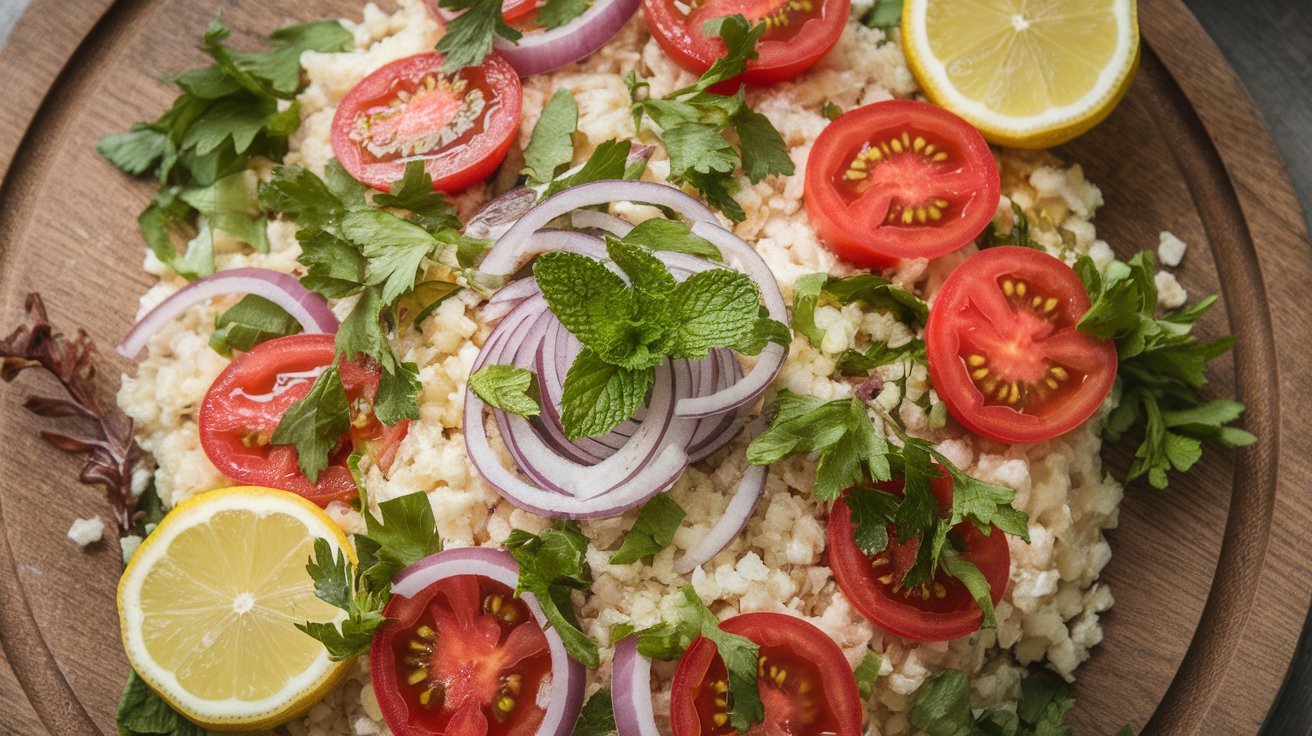
If you’ve recently searched for “Kisir bulgur salad near me,” you’re likely looking for a fresh, flavorful, and authentic Turkish dish that’s both nutritious and satisfying. Kisir is one of Turkey’s most beloved traditional salads, made with fine bulgur wheat, tomato and pepper paste, fresh herbs, olive oil, lemon juice, and a blend of aromatic spices. Its vibrant flavor, light texture, and healthy ingredients have made it increasingly popular in Mediterranean, Middle Eastern, and international restaurants around the world.
In 2026, the demand for healthy and plant-based meals continues to grow, making Kisir a favorite choice for food lovers seeking a balanced dish packed with fresh vegetables and wholesome grains. Whether you’re searching for Kisir at a nearby Turkish restaurant, Mediterranean café, deli, or grocery store, this guide will help you understand what makes this salad special, where to find it, and how to enjoy it.
What Is Kisir Bulgur Salad?
Kisir is a traditional Turkish bulgur salad prepared primarily with fine bulgur wheat and mixed with fresh vegetables, herbs, and a tangy dressing. Although it is sometimes compared to tabbouleh, Kisir has its own distinctive flavor thanks to the use of tomato paste, pepper paste, and Turkish spices.
Common ingredients include:
- Fine bulgur wheat
- Tomato paste
- Red pepper paste
- Extra virgin olive oil
- Fresh lemon juice
- Parsley
- Mint
- Green onions
- Pomegranate molasses
- Salt and spices
The combination creates a refreshing, slightly tangy, mildly spicy salad that can be enjoyed as a side dish, appetizer, or light meal.
Why Kisir Has Become Popular in 2026
Global interest in Mediterranean and Turkish cuisine continues to rise because many dishes combine exceptional flavor with nutritious ingredients.
Rich in Nutrients
Kisir contains wholesome ingredients that provide:
- Dietary fiber
- Plant-based protein
- Complex carbohydrates
- Healthy fats
- Essential vitamins
- Minerals from fresh vegetables and herbs
Suitable for Many Diets
Traditional Kisir is often:
- Vegan
- Vegetarian
- Dairy-free
- Rich in vegetables
Always confirm ingredients if you have allergies or dietary restrictions, as recipes can vary.
Fresh and Flavorful
The balance of herbs, citrus, olive oil, and spices creates a refreshing dish that’s ideal throughout the year.
Where to Find Kisir Bulgur Salad Near You
Searching for “Kisir bulgur salad near me” can lead you to several types of food establishments that commonly serve Turkish and Mediterranean cuisine.
Turkish Restaurants
Authentic Turkish restaurants are among the best places to enjoy freshly prepared Kisir made using traditional recipes.
Mediterranean Restaurants
Many Mediterranean restaurants include bulgur-based salads inspired by Turkish cuisine on their menus.
Middle Eastern Cafés
Cafés specializing in Middle Eastern dishes may also serve Kisir alongside hummus, falafel, grilled meats, and fresh bread.
Specialty Delis and Grocery Stores
International grocery stores and Mediterranean delis sometimes offer freshly prepared Kisir in refrigerated sections, making it easy to enjoy at home.
What to Expect When Ordering Kisir
Although recipes vary slightly between restaurants and regions, most servings include a colorful combination of grains, vegetables, herbs, and seasonings.
Typical characteristics include:
- Bright red-orange color
- Soft but slightly chewy texture
- Fresh herb aroma
- Tangy lemon flavor
- Light spice
- Balanced acidity
Many restaurants garnish Kisir with lettuce leaves, lemon wedges, cucumber slices, or tomatoes.
It is commonly served alongside:
- Grilled chicken
- Kebabs
- Lamb dishes
- Falafel
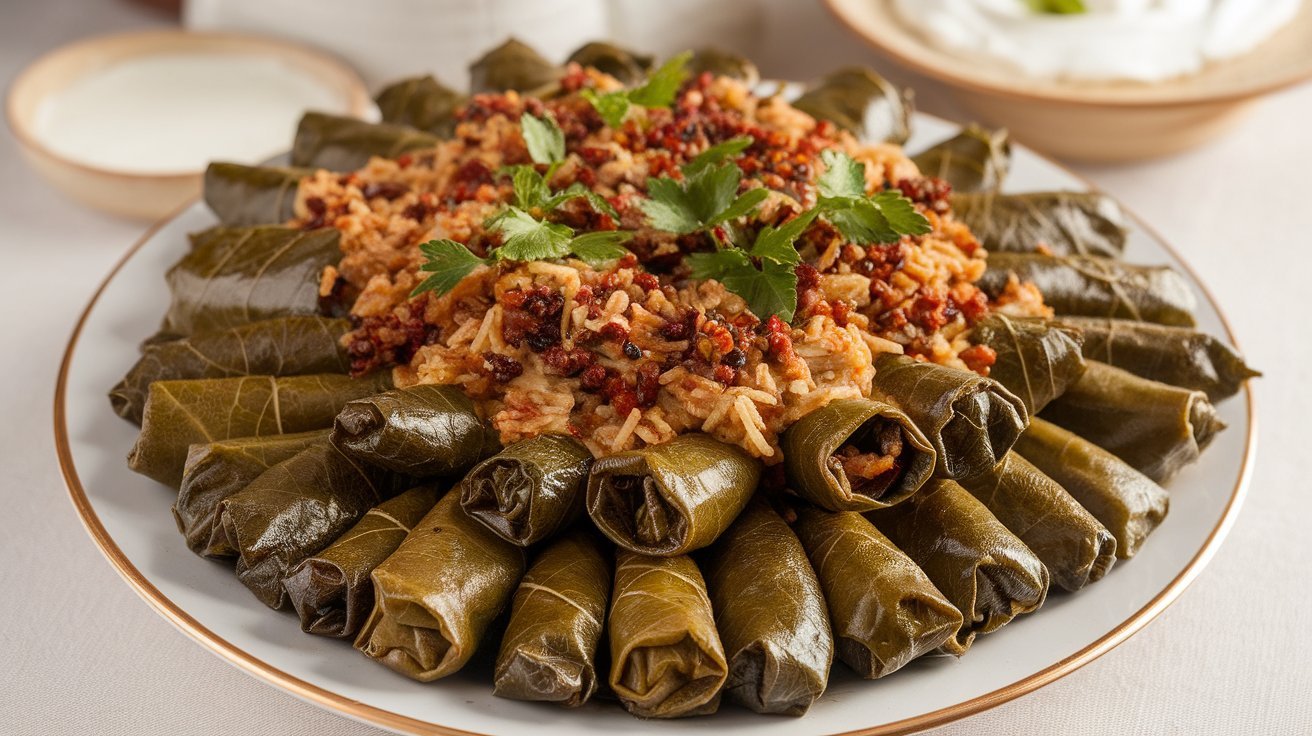
- Stuffed grape leaves
- Yogurt-based dips
- Fresh pita bread
Health Benefits of Kisir Bulgur Salad
One reason Kisir remains popular is its nutritional profile.
High in Fiber
Bulgur wheat provides dietary fiber that supports healthy digestion and contributes to feelings of fullness.
Heart-Friendly Ingredients
Olive oil and fresh vegetables fit well within balanced eating patterns that emphasize unsaturated fats and plant foods.
Natural Ingredients
Traditional recipes rely on simple, minimally processed ingredients such as herbs, vegetables, grains, and citrus.
Balanced Meal Option
When paired with lean protein or legumes, Kisir can become part of a satisfying and well-rounded meal.
Tips for Choosing the Best Kisir
Not every version of Kisir is prepared the same way. Consider these tips when searching for quality Turkish bulgur salad.
Look for Fresh Herbs
Fresh parsley and mint should provide vibrant color and aroma.
Choose Restaurants Using Traditional Ingredients
Authentic recipes often include tomato paste, pepper paste, lemon juice, olive oil, and pomegranate molasses.
Read Customer Reviews
Reviews may offer insight into freshness, portion sizes, and authenticity.
Ask About Ingredients
If you have allergies or dietary preferences, ask whether the recipe contains additional ingredients or variations.
Can You Make Kisir at Home?
Absolutely. Kisir is relatively simple to prepare and can be customized according to personal preferences.
Basic preparation involves:
- Soaking fine bulgur in hot water.
- Mixing tomato paste and pepper paste with olive oil.
- Adding chopped parsley, mint, and green onions.
- Seasoning with lemon juice, pomegranate molasses, and spices.
- Combining everything thoroughly and allowing the flavors to develop before serving.
Homemade Kisir is ideal for meal preparation, picnics, and healthy lunches.
Conclusion
Searching for “Kisir bulgur salad near me” is the first step toward discovering one of Turkey’s most flavorful and nutritious traditional dishes. Combining fine bulgur wheat, fresh herbs, olive oil, lemon juice, and vibrant vegetables, Kisir delivers a refreshing balance of taste and nutrition that continues to grow in popularity throughout 2026.
Whether you enjoy it at an authentic Turkish restaurant, a Mediterranean café, a specialty deli, or prepare it in your own kitchen, Kisir remains a versatile dish suitable for appetizers, side dishes, and light meals. Its wholesome ingredients, fresh flavors, and cultural heritage make it an excellent choice for anyone exploring Mediterranean and Turkish cuisine.
Frequently Asked Questions (FAQ)
What is Kisir bulgur salad?
Kisir is a traditional Turkish salad made with fine bulgur wheat, tomato paste, pepper paste, olive oil, lemon juice, fresh herbs, and vegetables.
Is Kisir healthy?
Yes. Kisir is typically rich in fiber, vegetables, herbs, and healthy fats from olive oil, making it a nutritious option when enjoyed as part of a balanced diet.
Is Kisir vegan?
Traditional Kisir is often vegan, but recipes can vary. It’s always best to confirm ingredients with the restaurant or food provider.
Where can I find Kisir near me?
You can often find Kisir at Turkish restaurants, Mediterranean restaurants, Middle Eastern cafés, specialty delis, and international grocery stores that prepare fresh foods.
What is the difference between Kisir and tabbouleh?
Although both are bulgur-based salads, Kisir typically includes tomato paste, pepper paste, and pomegranate molasses, giving it a richer, tangier flavor than traditional tabbouleh.

JG Wentworth Commercial: The Story Behind the Famous 877-CASH-NOW Ads

2006 Hyundai Elantra: Complete Guide to Specs, MPG, Features, Reliability, and Value

Trex RainEscape: Complete Under-Deck Drainage Guide for 2026

Zingyzon com: A Complete Guide to the Online Shopping Platform in 2026

Visual Identity for Creators: How AI Avatars and Photo Editing Are Reshaping Online Presence

Brett Harrelson: Everything We Know About Woody Harrelson’s Brother and His Private Life
 Business3 months ago
Zingyzon com: A Complete Guide to the Online Shopping Platform in 2026
- Technology4 months ago
Visual Identity for Creators: How AI Avatars and Photo Editing Are Reshaping Online Presence
- Celebrity4 months ago
Brett Harrelson: Everything We Know About Woody Harrelson’s Brother and His Private Life
- Business3 months ago
MyGreenBucks.net Kenneth: Complete Guide to the Personal Finance Platform and Kenneth Jones (2026)
- Celebrity3 months ago
Chris Cosgrove: Biography, Career, Achievements, and Lasting Legacy
- Blog3 months ago
About ThriftyEvents net: A Complete Guide to Budget-Friendly Event Planning in 2026
- Blog3 months ago
The Blog BlueFlamePublishing: A Complete 2026 Guide for Writers, Authors, and Publishing Enthusiasts
- Business3 months ago
Sean Rashad: Biography, Career, Achievements, Personal Life, and Growing Public Recognition